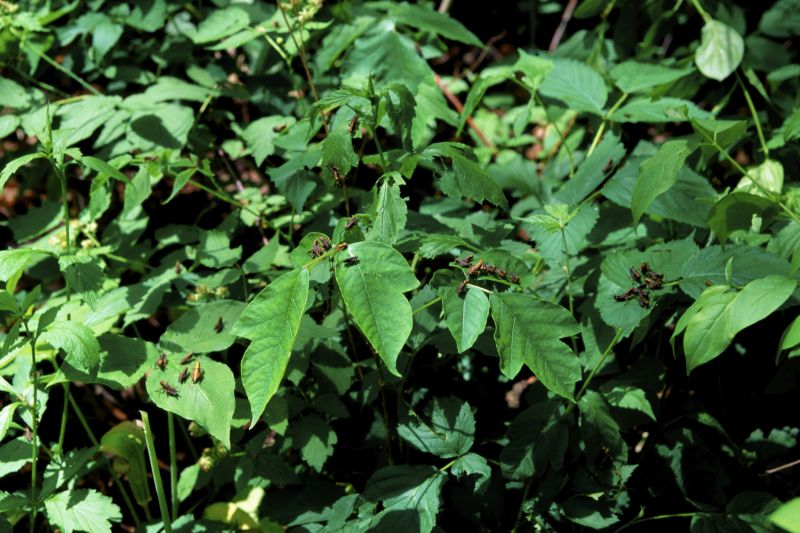
Poison Oak Removal in Ventura County, CA
Poison oak removal services focus on safely eliminating this common and potentially hazardous plant from residential properties. These services typically cover projects such as clearing overgrown areas, maintaining landscaped yards, and removing poison oak from fence lines, hillsides, or shrub beds. Property owners often seek this service to reduce the risk of skin irritation or allergic reactions for themselves, family members, or pets, especially in outdoor spaces used for recreation or gardening.
Before requesting poison oak removal, property owners usually want to understand the extent of the infestation, the methods used for removal, and any necessary follow-up care to prevent regrowth. It’s important to consider the location of the plants-whether they are in accessible areas or on steep slopes-and to discuss any concerns about safety or environmental impact. Proper removal can help restore safety and enjoyment of outdoor spaces while minimizing the chance of accidental contact.
Many property owners in Ventura County, CA look into Poison Oak Removal for repairs, replacements, upgrades, and appearance-related improvements.
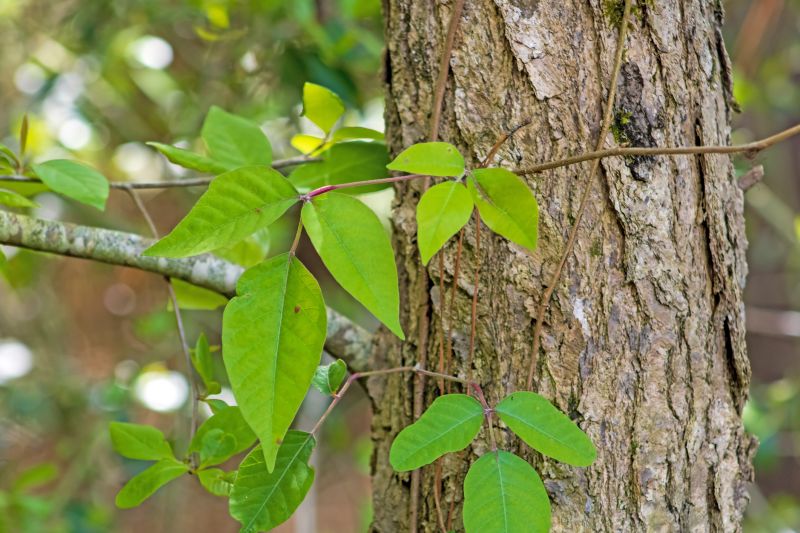
Poison Oak Removal For Safety
Removing poison oak helps protect families and pets from skin irritation and allergic reactions.
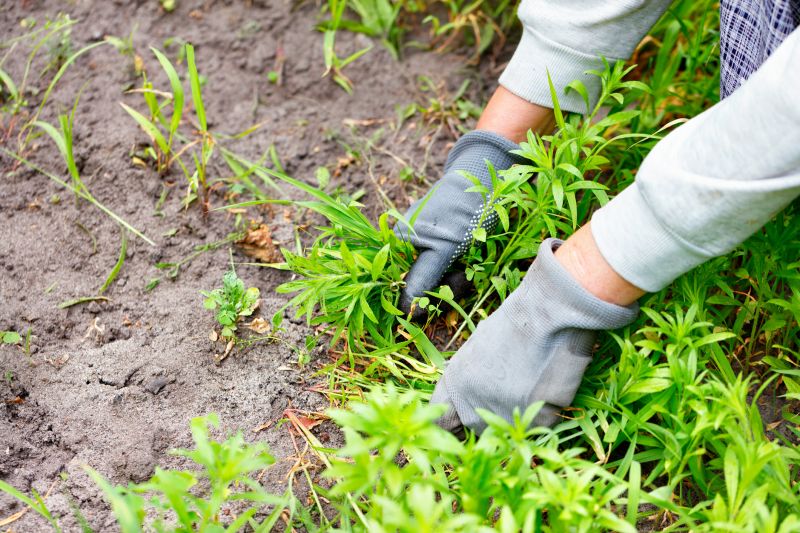
Clearing Overgrown Areas
Professional removal is often needed for dense or hard-to-reach poison oak patches on residential properties.
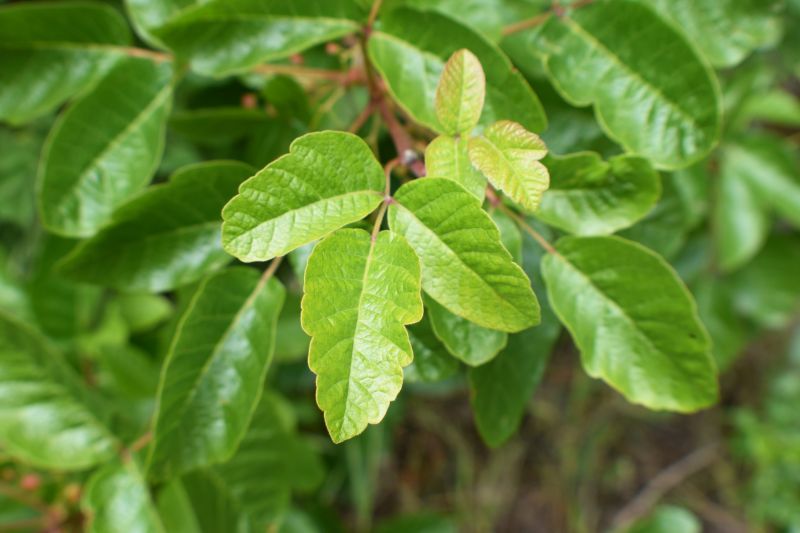
Property Maintenance Solutions
Regular poison oak management can prevent future growth and keep outdoor spaces safe and accessible in ventura county, ca.
Poison Oak Removal in Ventura County, CA

Poison oak removal services focus on safely eliminating this common and potentially hazardous plant from residential properties. These services typically cover projects such as clearing overgrown areas, maintaining landscaped yards, and removing poison oak from fence lines, hillsides, or shrub beds. Property owners often seek this service to reduce the risk of skin irritation or allergic reactions for themselves, family members, or pets, especially in outdoor spaces used for recreation or gardening.
Before requesting poison oak removal, property owners usually want to understand the extent of the infestation, the methods used for removal, and any necessary follow-up care to prevent regrowth. It’s important to consider the location of the plants-whether they are in accessible areas or on steep slopes-and to discuss any concerns about safety or environmental impact. Proper removal can help restore safety and enjoyment of outdoor spaces while minimizing the chance of accidental contact.
Many property owners in Ventura County, CA look into Poison Oak Removal for repairs, replacements, upgrades, and appearance-related improvements.
Common Poison Oak Removal Jobs
Poison Oak Removal - Safely eliminates poison oak plants from residential landscapes.
Property Clearing - Removes poison oak to create safer outdoor spaces for families.
Landscaping Cleanup - Clears overgrown poison oak to improve yard appearance and safety.
Trail and Pathway Clearing - Removes poison oak from walking paths and recreational areas.
Fence Line Clearing - Eliminates poison oak along property boundaries to prevent spreading.
Yard Maintenance - Regular removal of poison oak to keep outdoor areas safe and accessible.
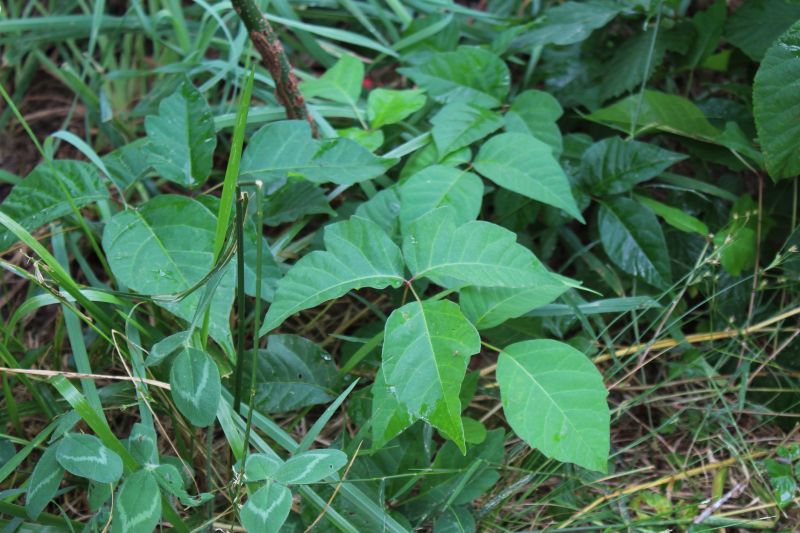
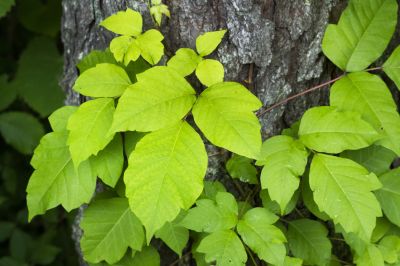
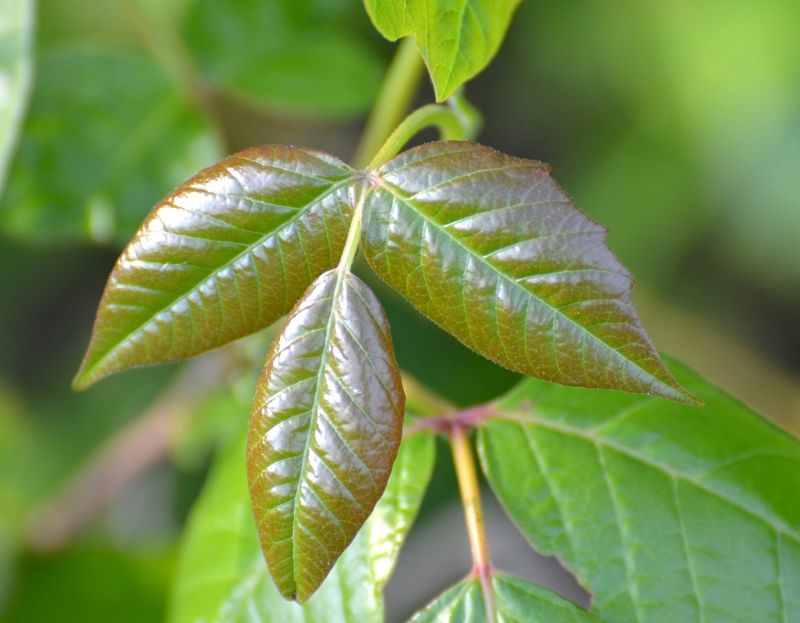
Poison Oak Removal Questions
What is poison oak removal? Poison oak removal involves safely eliminating the plant from a property to prevent skin irritation and allergic reactions.
When should poison oak be removed? Removal is recommended when poison oak plants are identified in areas accessible to people or pets, especially in high-traffic zones.
How is poison oak removal performed? The process typically includes carefully cutting and removing the plants, followed by proper disposal to prevent regrowth.
Is professional removal necessary? Professional removal ensures safe and effective elimination, reducing the risk of skin contact and plant regrowth.
Request Poison Oak Removal in Ventura County, CA
Use the quote form on this page to share the basics of your project and request more information for the type of work you need.